Investing in a Human Resource Management System (HRMS) is an important step towards digitalizing HR operations. However, the real value of HR software depends on how actively employees use it.
If employees still email HR to request payslips, check leave balances, or follow up on approvals, your organization may have digitalized its administrative processes without improving the employee experience.
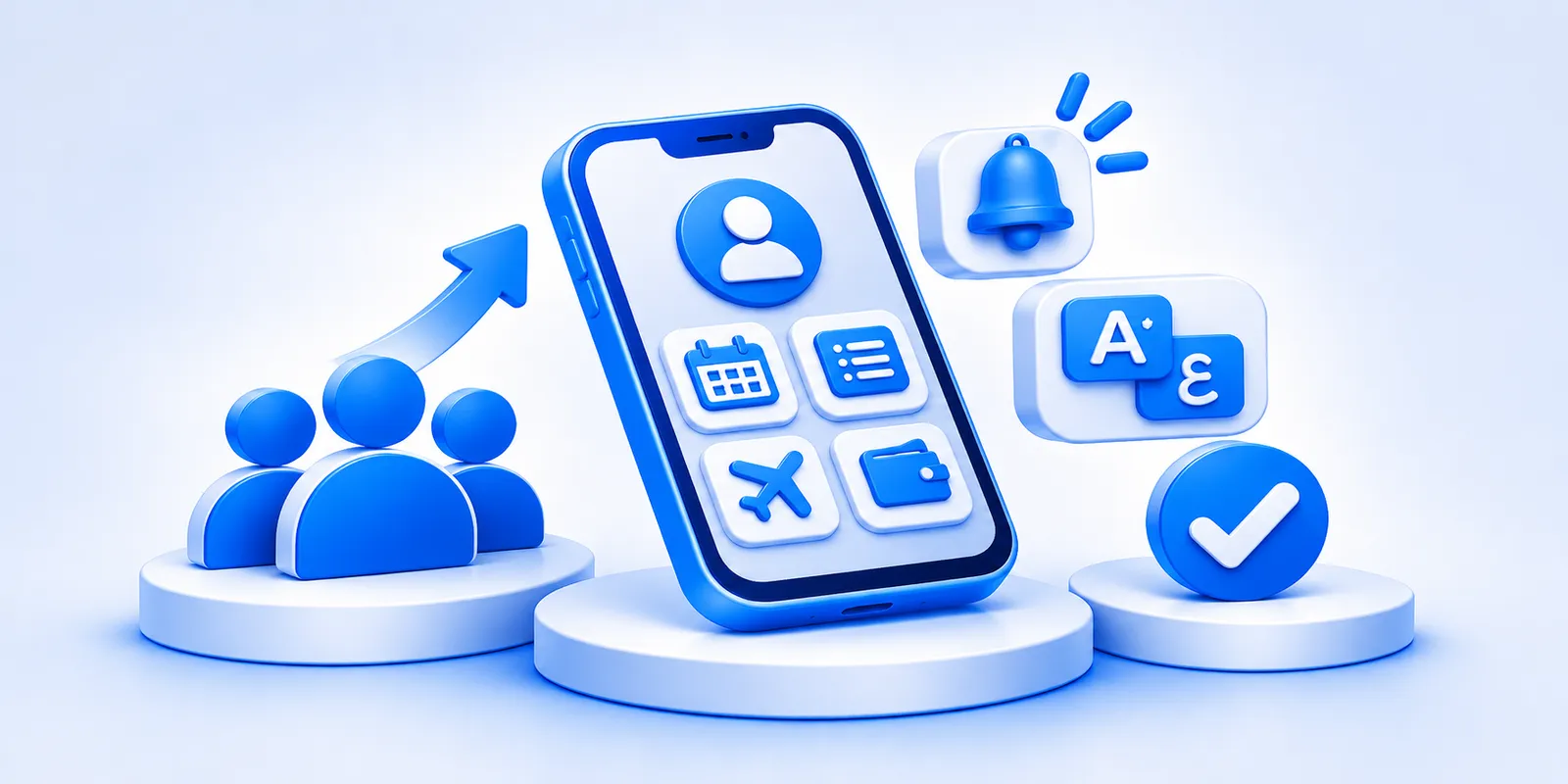
This is where mobile Employee Self-Service (ESS) makes a difference. By making HR services accessible directly from employees' smartphones, businesses can encourage adoption, reduce administrative workloads, and improve everyday employee experiences.
What Is Mobile Employee Self-Service (ESS)?
Employee Self-Service is a feature of HR management software that allows employees to access their personal information and complete routine HR tasks independently.
A mobile ESS application extends these capabilities to smartphones, allowing employees to interact with HR services without relying on emails, paperwork, or desktop computers.
Instead of contacting HR for every request, employees can manage their everyday needs through a dedicated mobile application.
Why Employee Self-Service Adoption Matters
Implementing an HR management system does not automatically guarantee that employees will use it.
Low employee adoption can result in:
- Repetitive administrative requests.
- Increased workloads for HR teams.
- Delayed approvals and unnecessary follow-ups.
- Limited employee engagement with HR technology.
- Continued reliance on manual processes.
When employees actively use a mobile HR application, HR teams can spend less time responding to routine requests and more time focusing on strategic workforce management.
The success of HR digital transformation depends not only on the technology itself but also on how easily employees integrate it into their daily routines.
What Drives Mobile ESS Adoption?
To encourage employees to use self-service tools regularly, businesses should prioritize convenience, accessibility, and functionality.
1. A Simple and Accessible Mobile Experience
Employees should be able to access essential HR services without navigating complicated menus or relying on desktop access.
An intuitive mobile experience makes self-service a more convenient alternative to contacting HR directly.
2. Real-Time Notifications and Mobile Approvals
Push notifications help employees stay informed about their requests while allowing managers to respond more efficiently.
Mobile approvals can reduce unnecessary email exchanges and help prevent delays.
3. Multi-Language Support
For organizations with diverse and international workforces, language accessibility plays an important role in software adoption.
Allowing employees to interact with HR software in their preferred language can encourage independent usage and improve accessibility.
4. Access Beyond the Office
Employees should be able to access essential HR services regardless of their work location.
Native mobile applications with offline capabilities for selected functions can make employee self-service more accessible across different working environments.
How Mobile Employee Self-Service Benefits HR Teams and Managers
The benefits of employee self-service extend beyond employees themselves.
For HR teams, mobile ESS can reduce repetitive administrative tasks, simplify communication, and minimize manual follow-ups.
For managers, mobile self-service provides greater visibility over their teams and allows them to handle approvals without being tied to their desks.
For employees, it creates a more independent and accessible HR experience.
By connecting employees, managers, and HR professionals through one platform, businesses can create more efficient and consistent HR processes.
How Magnar HCM Empowers Employees Through Mobile Self-Service
Magnar HCM's Employee Self-Service solution provides native iOS and Android applications designed to bring everyday HR operations directly to employees' smartphones.
Employees can:
- Apply for leave and follow their requests.
- Download payslips and salary statements.
- Submit expense claims.
- Request HR documents and certificates.
- Consult their performance appraisals.
- Stay informed through internal company updates.
Managers can:
- Review and authorize employee requests.
- Consult shared team absence schedules.
- Review workforce attendance information.
- Access individual employee records.
- Stay informed through mobile alerts.
Magnar also offers multilingual access, optional two-factor authentication, offline functionality for selected features, and the ability to switch between companies.
These capabilities help organizations make mobile self-service a natural part of the employee experience.
Turn HR Digitalization into Real Employee Adoption with Magnar HCM
The success of an HR management system should not be measured solely by its features, but by how effectively employees and managers use them.
By making HR services more accessible, convenient, and intuitive, businesses can encourage employee adoption while reducing the administrative burden on HR teams.
Looking for a trusted mobile employee self-service solution?
With Magnar HCM, bring HR closer to your employees, empower managers, and make self-service the easiest way to manage everyday HR tasks.